Toqan
2026
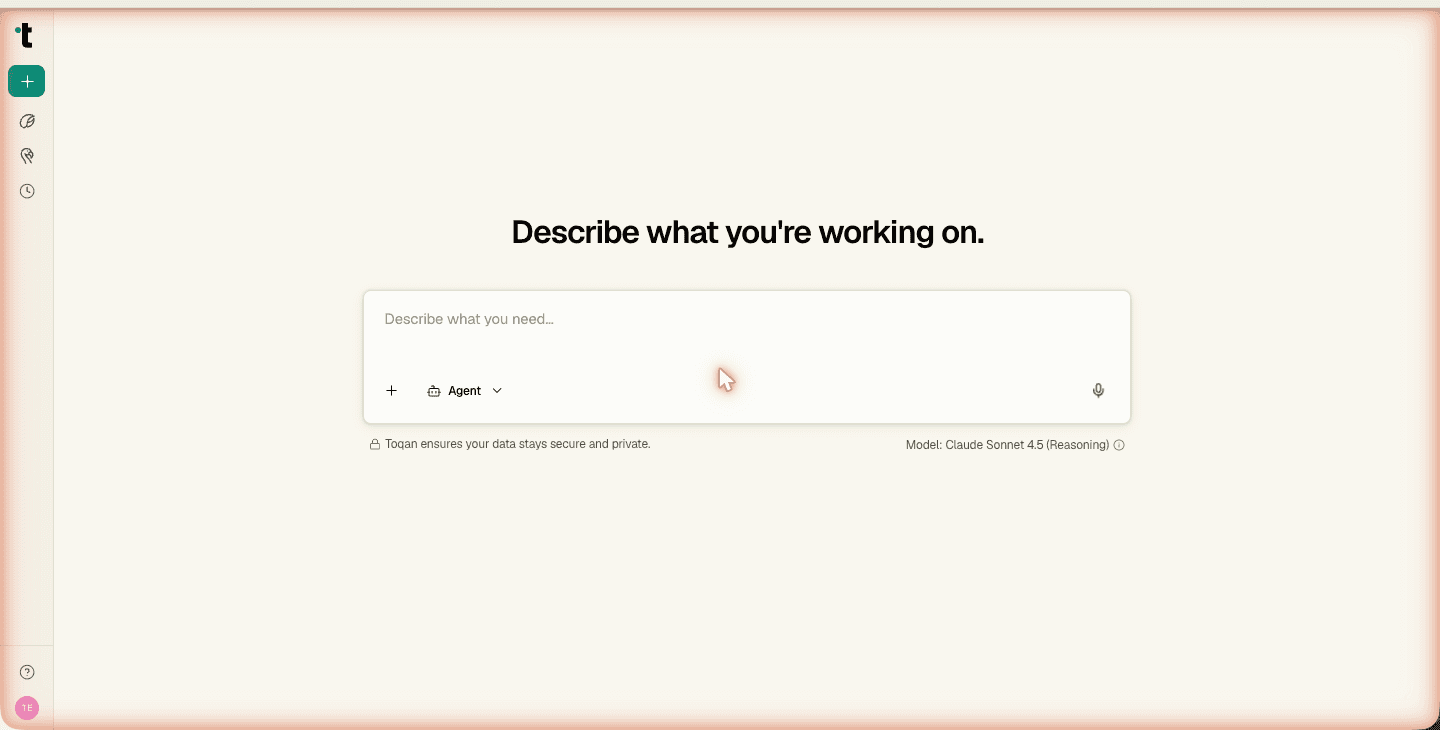
Redesign and refactor of TOQAN Frontend, Prosus’ in-house AI assistant. Me and Toqan team rebuilt the design system (Flamingo) from scratch and reshaped the UX of a product that acts as an internal alternative to Claude and ChatGPT.
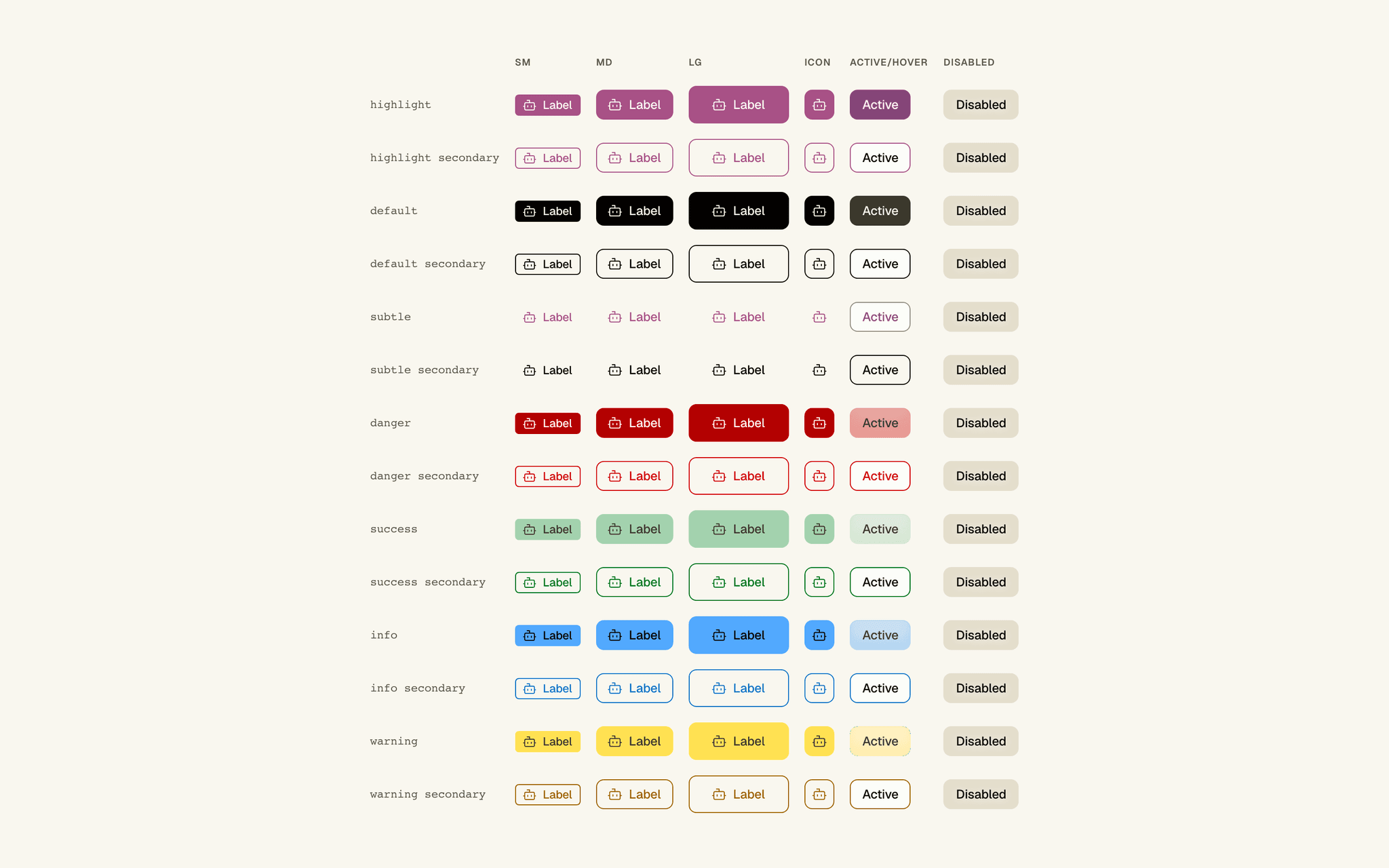
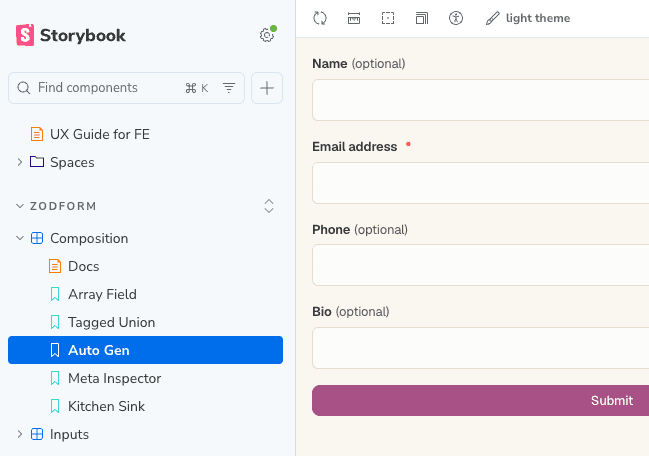
At the heart of the project is Flamingo, the design system I built for TOQAN. It's a full component library: buttons in every intent, dialogs, banners, notices, tooltips, chips, pagination, and the layout, typography and motion tokens that tie it all together. Dark and light themes are first-class, everything is documented in Storybook, and a single set of tokens drives the whole app so the team can move fast without consistency drifting. I also rewrote the rendering layer, trimmed the bundle, and consolidated data fetching. Core flows are now 52% faster.
On top of Flamingo I built ZodForm. You give it a Zod schema, you get a real form back: inputs, validation messages, tagged unions for branching shapes, array fields, nested objects, all rendered with Flamingo. Engineers stop hand-wiring forms and ship them in minutes. It now powers most of TOQAN’s internal authoring surfaces, from agent setup to admin tooling.
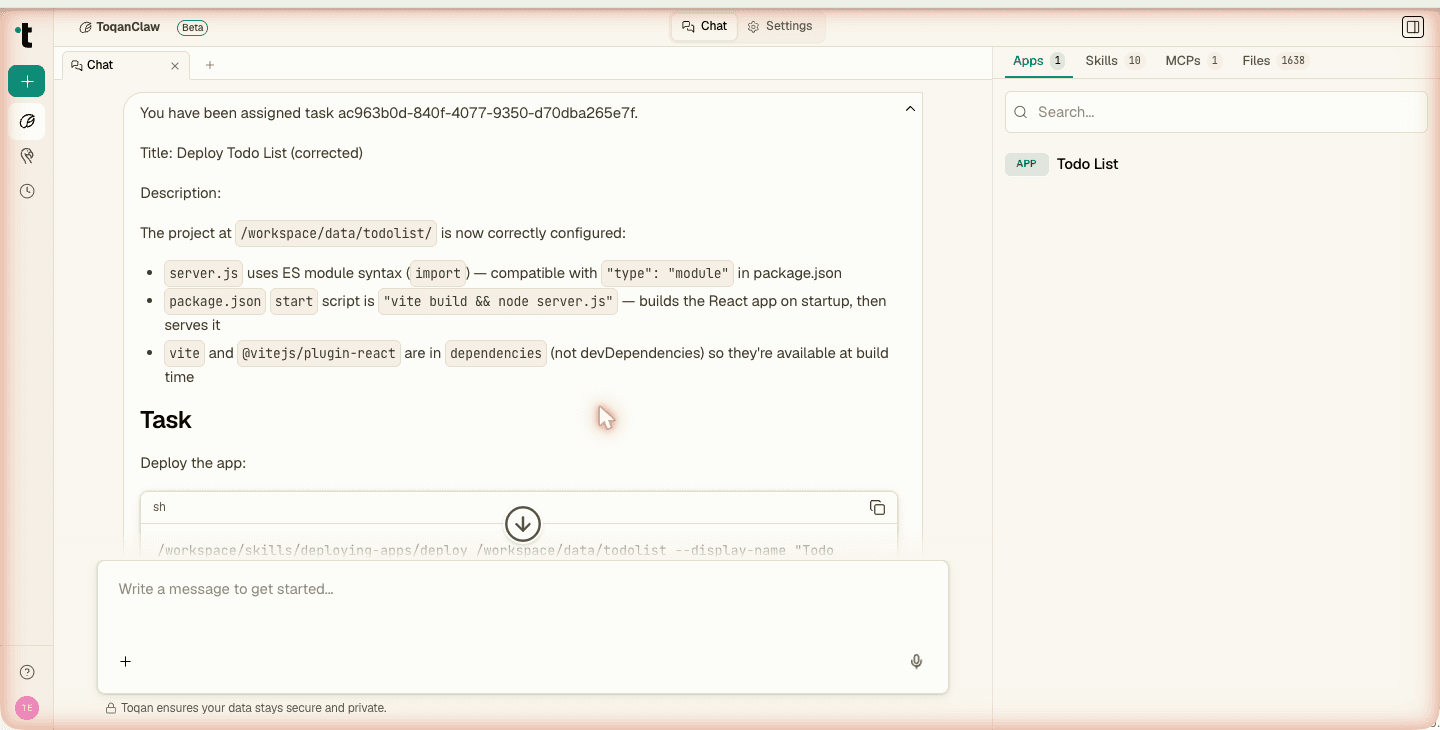
ToqanClaw is the new product we shipped inside TOQAN: a coding and automation workspace where the conversation sits next to the tools it actually needs. The chat is multi-tab, you can drag tabs around, history sticks, and a collapsible setup rail keeps the agent’s environment one click away. On the right there are four panels (Apps, Skills, MCPs, Files). You can deploy and preview apps with HTML and PDF rendered inline, upload and share skills through a curated marketplace, wire up MCP servers with OAuth or bearer auth (with non-blocking re-auth for Slack and custom servers), and browse files split between what you uploaded and what the system uses. The board view, scheduled and recurring tasks, the task progress meter and the reasoning UI all live on the same surface, so power users have one place to run and watch long-form work happen.
Around the chat, TOQAN turned into something you open every morning. Daily Insights (it started as Morning Brief) greets every session with a curated digest, waiting on auth so it never loads half-cooked. Market Intelligence drops suggestion cards backed by contextual dialogs, so a question becomes a structured workflow in two clicks. Business Profile context extraction grounds every answer in the user’s company, and the restaurants vertical adds Google review refresh, review-reply suggestions and a redesigned business profile on top of the same primitives. The platform can ship industry-specific surfaces without forking the UI.